

Open floor plans are all the rage these days, but let’s be honest – sometimes you need a bit of separation between your living and dining areas. Whether it’s to keep the curry smell from lingering in your living room or to create a cozier dining experience, separating these spaces can be both functional and stylish.
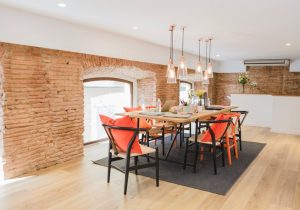
Use of Rugs and Carpets
Rugs and carpets are like the Instagram filters for your floors. They make everything look better and help you define different areas in an open-plan home. By using different rugs for the living and dining areas, you create distinct zones without any walls.
Choosing the Right Rug:
Living Area:
Opt for a plush, cozy rug to make the space inviting.
Dining Area:
Choose a rug that’s easy to clean because let’s be real, spills happen.
Think of rugs as your secret weapon in the battle of space separation. They’re functional, stylish, and can be swapped out whenever you fancy a change. Just remember, a well-chosen rug can anchor your space and make it feel intentional.
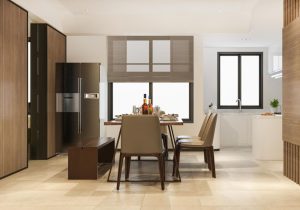
Furniture Arrangement
Arranging your furniture strategically is like playing Tetris but with sofas and chairs. By placing your furniture thoughtfully, you can create natural barriers that separate the living and dining areas without putting up walls.
Tips for Furniture Arrangement:
Sofas and Chairs:
Position a sofa with its back to the dining area to create a visual divide.
Tables and Consoles:
Use a console table behind the sofa to enhance the separation and add extra storage or display space.
Furniture arrangement is all about flow. Ensure there’s enough space for people to move around comfortably while maintaining the distinct zones. Plus, it gives you an excuse to rearrange your living room – again!
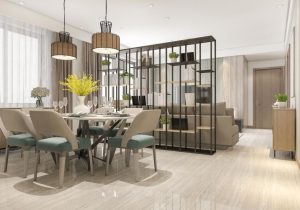
Decorative Screens and Room Dividers
If you want a quick and stylish way to separate your living and dining areas, decorative screens and room dividers are the answer. They come in various materials like wood, metal, and fabric, allowing you to choose one that fits your aesthetic.
Placement Tips:
Wooden Screens:
Perfect for adding a warm, rustic touch.
Metal Dividers:
Great for a modern, industrial vibe.
Fabric Screens:
Ideal for a soft, cozy feel.
Think of room dividers as the stylish curtain between your home and your neighbor’s curious eyes. They provide privacy, add a decorative element, and can be easily moved around when you want to change things up.
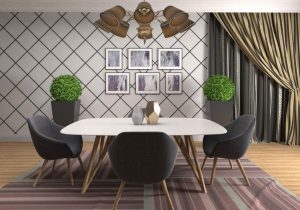
Different Paint Colours or Wallpapers
Colours are like spices; a pinch here, a dash there, and voilà, you have a masterpiece! Using different paint colours or wallpapers is a fantastic way to define separate spaces within an open-plan area. This technique not only adds visual interest but also creates a clear distinction between the living and dining areas.
Tips for Using Paint and Wallpaper:
Living Area:
Go for warm, inviting colours like beige, soft grey, or even a bold accent wall.
Dining Area:
Consider using patterned wallpaper or a contrasting paint colour to make it stand out.
When choosing colours, think about how they will flow together. Complementary colours can create harmony, while contrasting colours can make each space pop. This method is like giving each area its own personality while still maintaining a cohesive look.
Shelving Units and Open Bookcases
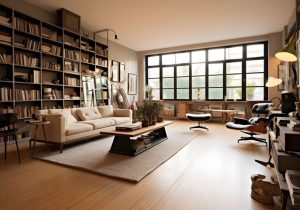
Bookshelves: because books aren’t just for reading; they’re also great for peeking through! Using shelving units or open bookcases as room dividers is a clever way to create separation while adding storage and display space.
How to Use Shelving Units:
Living Area Side:
Display decorative items, family photos, and a few favourite books.
Dining Area Side:
Store your fancy dishware, cookbooks, and a stylish vase or two.
Open bookcases are fantastic because they allow light to pass through, keeping both areas bright and airy. They also give you an opportunity to showcase your personality and style through the items you display. Plus, they’re practical – who doesn’t need more storage?
Lighting to Define Spaces
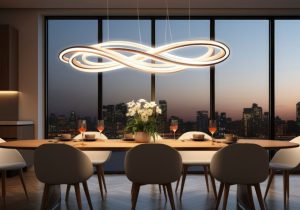
Lighting is like the magic wand of interior design. It can dramatically change the look and feel of a space. Using different lighting fixtures in your living and dining areas can help define and separate the two spaces effectively.
Lighting Tips:
Living Area:
Use a combination of ambient and task lighting, such as floor lamps and table lamps, to create a cosy atmosphere.
Dining Area:
A statement chandelier or pendant light over the dining table can create a focal point and set a different tone.
Layering your lighting adds depth and dimension to your space. It also allows you to adjust the ambience to suit different activities, whether it’s a relaxed evening in the living room or a festive dinner in the dining area.
Using Plants for Natural Division
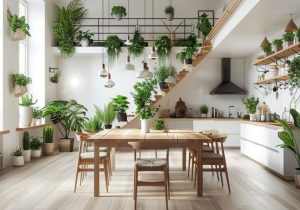
Plants are not only great for adding a touch of nature indoors but also for creating natural dividers between spaces. They bring life and vibrancy to your home and can be arranged in various ways to delineate areas.
How to Use Plants for Separation:
Tall Plants:
Use tall plants like bamboo or fiddle leaf figs to create a green wall.
Plant Stands:
Arrange plants of different heights on stands to add layers and depth.
Hanging Planters:
Use hanging planters to create a vertical separation without taking up floor space.
Plants can serve as a beautiful and natural way to separate your living and dining areas, while also improving air quality and bringing a calming presence into your home. Plus, they’re a perfect excuse to expand your plant collection!
Area-Specific Accessories
Accessories can play a significant role in differentiating spaces. By choosing area-specific decor items, you can subtly reinforce the separation between your living and dining areas.
Accessory Tips:
Living Area:
Use cosy throws, cushions, and personal decor items.
Dining Area:
Incorporate elegant table settings, candles, and centrepieces.
Accessories are like the cherry on top of your interior design cake. They add personality and style, making each area feel distinct yet harmonious. Just remember, less is more – avoid cluttering the spaces with too many items.
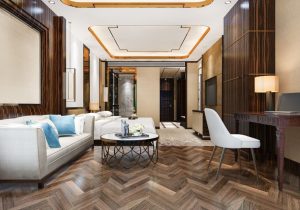
Flooring Changes
Changing the flooring between your living and dining areas is a bold and effective way to separate the spaces. Different materials or styles of flooring can create a clear distinction.
Flooring Ideas:
Living Area:
Consider using hardwood, laminate, or a cosy carpet.
Dining Area:
Opt for tile, vinyl, or a different shade of wood.
Using different flooring materials not only helps in defining spaces but also adds texture and variety to your home. This method is particularly useful in open-plan layouts where a visual break is needed.
Final Thoughts on Space Separation
Here’s a recap of the clever ideas we’ve explored:
- Rugs and carpets
- Furniture arrangement
- Decorative screens and room dividers
- Different paint colours or wallpapers
- Shelving units and open bookcases
- Lighting
- Plants
- Area-specific accessories
- Flooring changes
Remember, the only thing separating you from a perfectly divided space is a little creativity (and maybe a trip to the furniture store). Whether you’re working with a small apartment or a spacious home, these tips can help you create a functional and stylish environment that works for you.


